Human Rights for Young People: Why They Still Matter

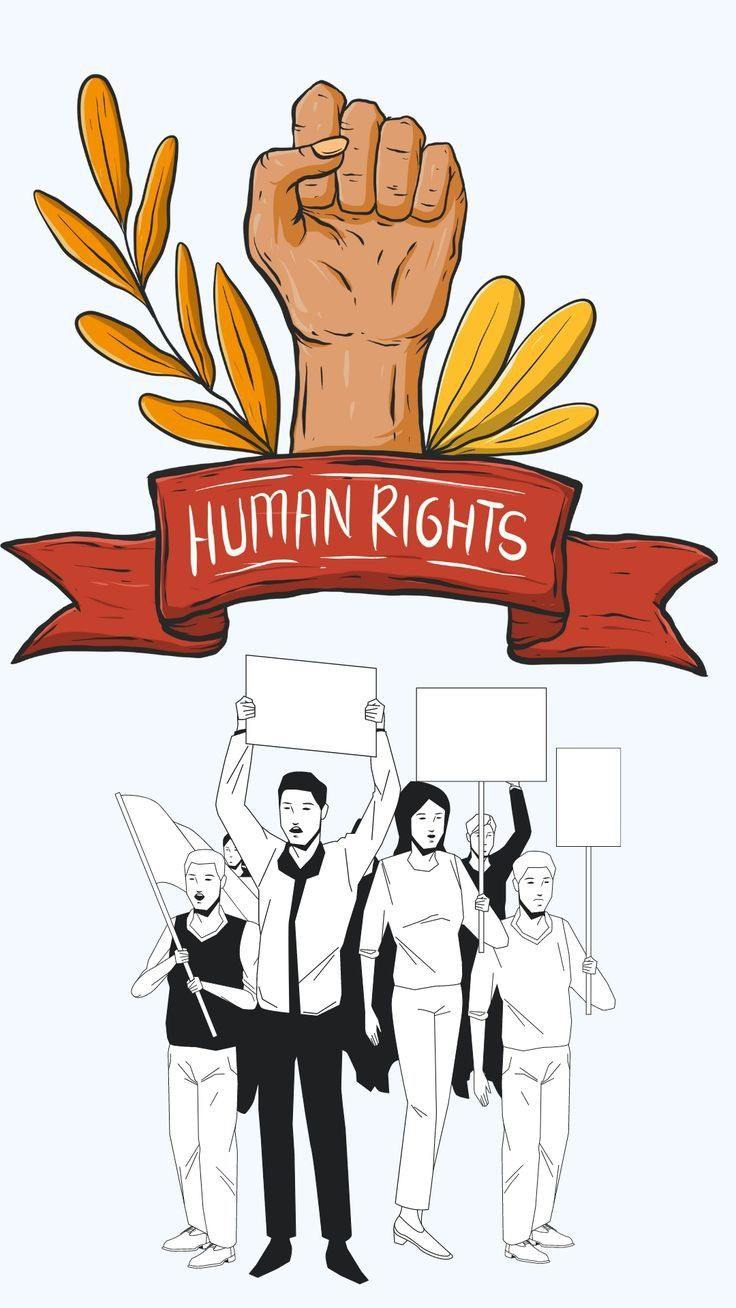
Human rights are often described as universal and inalienable, yet for many young people, these rights are not fully understood or consistently protected. In a rapidly changing world shaped by social, political, and technological developments, the relevance of human rights remains as strong as ever. For youth, understanding these rights is not only about awareness but also about empowerment and participation in society.
Young people today face a wide range of challenges, including discrimination, inequality, limited access to education, and barriers to participation in decision-making processes. These issues highlight the ongoing need to promote and protect human rights at every level. Without a clear understanding of their rights, young individuals may struggle to recognize injustices or advocate for themselves and others.
Education plays a central role in strengthening human rights awareness among youth. Through seminars, workshops, and non-formal learning opportunities, young people can develop critical thinking skills and a deeper understanding of concepts such as equality, dignity, and inclusion. This knowledge enables them to question unfair systems and contribute to building more just and inclusive communities.
In addition to education, active participation is essential. Encouraging young people to engage in discussions, campaigns, and local initiatives helps transform knowledge into action. When youth are given the opportunity to express their views and take part in shaping their communities, they become agents of change rather than passive observers.
The digital world has also created new dimensions for human rights. While online platforms offer opportunities for expression and activism, they also present risks such as cyberbullying, misinformation, and violations of privacy. This makes it even more important for young people to understand their digital rights and responsibilities, ensuring that the online space remains safe and inclusive.
Despite progress in many areas, human rights challenges persist across different regions and communities. Addressing these issues requires continuous effort, collaboration, and a commitment to fairness and justice. Young people have a crucial role to play in this process, as their perspectives and energy can drive meaningful social change.
Ultimately, human rights remain a critical issue for young people because they form the foundation of a fair and democratic society. By raising awareness, promoting education, and encouraging participation, it is possible to empower a generation that not only understands its rights but actively works to protect and uphold them for everyone.


